November 20, 2016
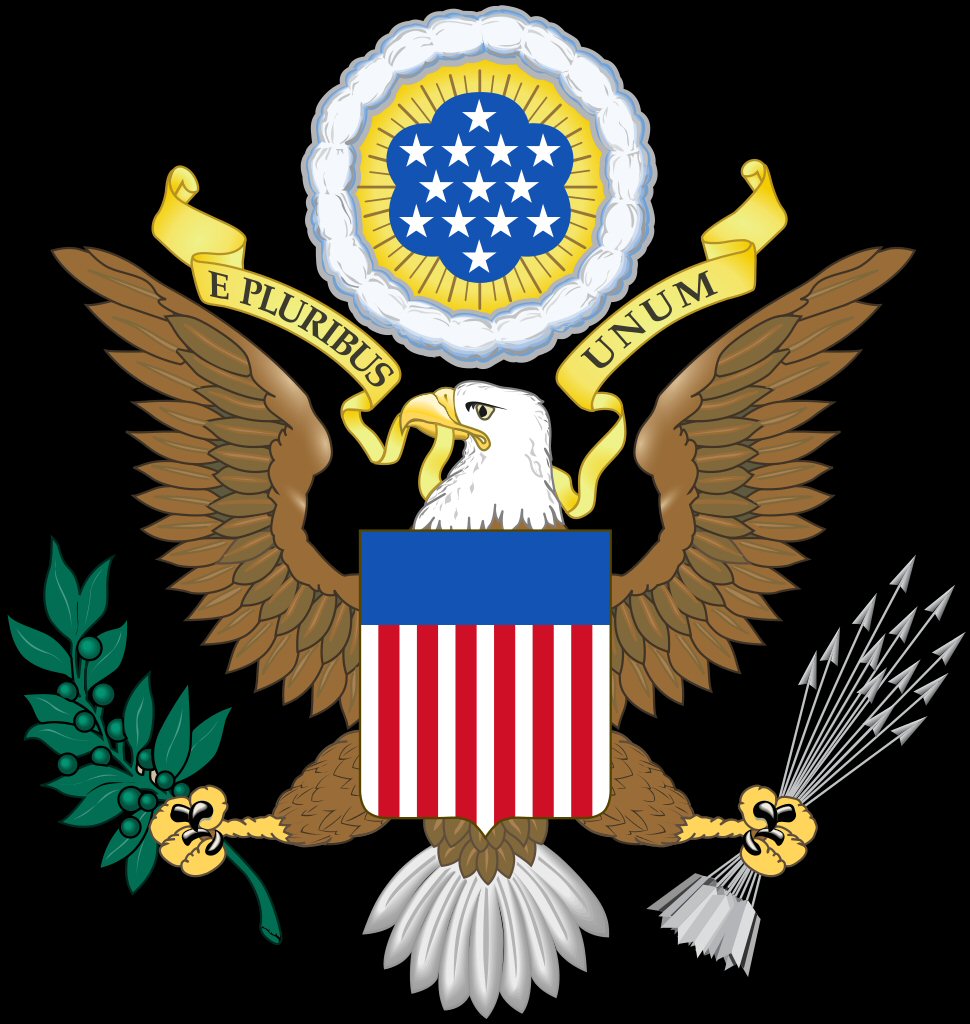
The U.S. 2016 presidential election laid bare the abysmal rift mocking our cherished Latin motto, e pluribus unum –from many, one. Xenophobia and hatred, its conjoined twin, long dormant, have unabashedly reemerged to threaten anew the very fabric of our nation. This is not a reenactment of the Civil War, fought largely by and between what we call “whites.” For better or worse, the United States today is far more multi-racial and multi-ethnic, and the ongoing demographic change is sure to increase both the diversity and animosity.
There’s no denying that regardless of party affiliation, most Americans are sick and tired of how the wealth in this country is being distributed. Proof of that is that Trump and Sanders responded –from vastly different points of view- to the widespread anger and frustration. But Trump’s victory is fraught with risk and uncertainty, for he lost the popular vote.
This is not a rush to judgment on what Trump will or won’t actually do when he takes office. World leaders meeting in Lima, Peru have already done that. Instead, we seek to put the entire truth on the table –yet again- to suggest a feasible, realistic solution to the predicament we all face. Climate change threatens everyone without exception, even deniers.
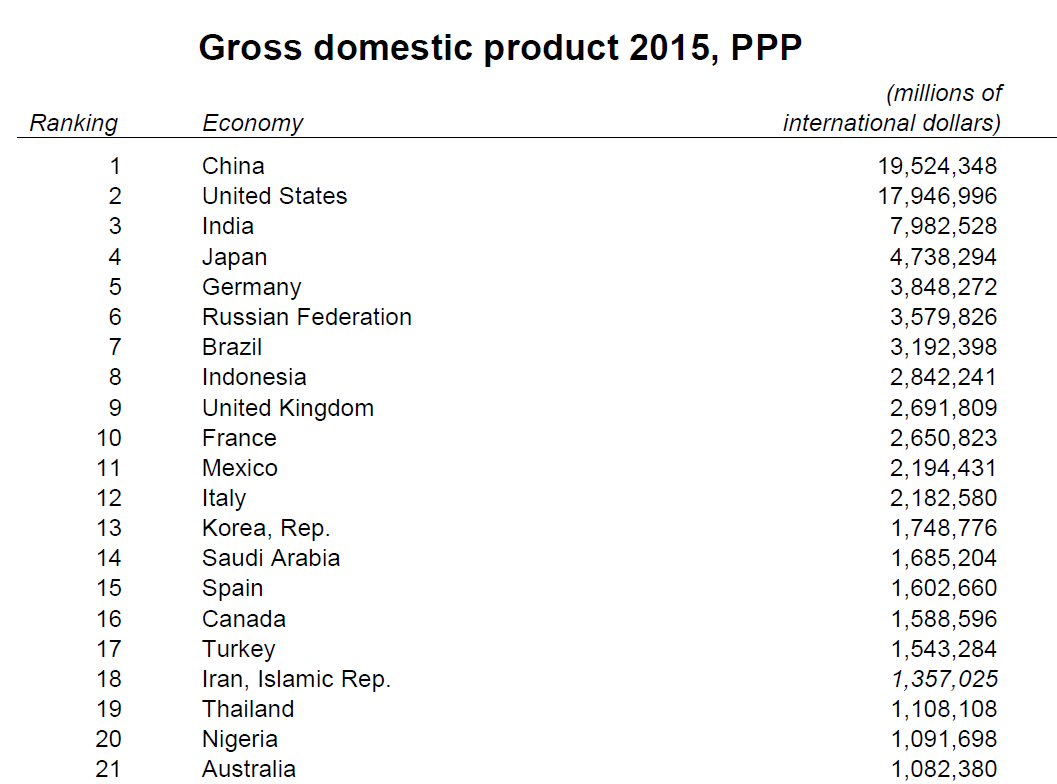
There are certain fundamental facts driving the world’s economy. Among them that manufacturers of everyday consumer goods cannot pay American workers the bygone high wages of the 50’s and 60’s and simultaneously hope to compete in the global economy. More specifically, the Asian model of low wages backed by a vast pool of potential customers has effectively crushed the once tenuous relationship between American big money and labor; and it’s going to get worse to the extent that China and India continue to expand the scope and quality of their manufacturing base. Eventually they’ll make and undersell anything and everything we make, from world class automobiles to wide body passenger jets.
The numbers speak for themselves. In the U.S., roughly 20% of students are enrolled in STEM (science, technology and math) majors. In China, with a population four times as large, that figure exceeds 40%, and climbing. Evidently research and development are not going to save us. Neither will erecting tariffs nor walking away from existing trade agreements. That might spiral into full blown trade wars that would preclude us from exporting anything to most of the world’s customers. They wouldn’t lose. We would.
Never mind trying to dominate the world; that’s a thing of the past, a temporary byproduct of World War II, an event that cannot be reenacted. Instead, our goals should be to avoid national bankruptcy and to maintain economic relevance. And the way to do so is to redress our chronic trade deficit by manufacturing that which both China and India desperately need but cannot efficiently produce: hydrogen, the only element which, when combined with oxygen in the atmosphere, produces pure water and energy. It’s not that they don’t know how to do it. It’s that they lack the necessary geographical and topographical attributes. Specifically, China doesn’t have a western ocean bordering the Gobi Desert, and India lacks a vast natural depression below sea level, akin to Death Valley, near its coasts. The U.S. has both plus a sparsely populated western half waiting to be transformed into a vast economic engine with jobs that cannot be outsourced or relocated.
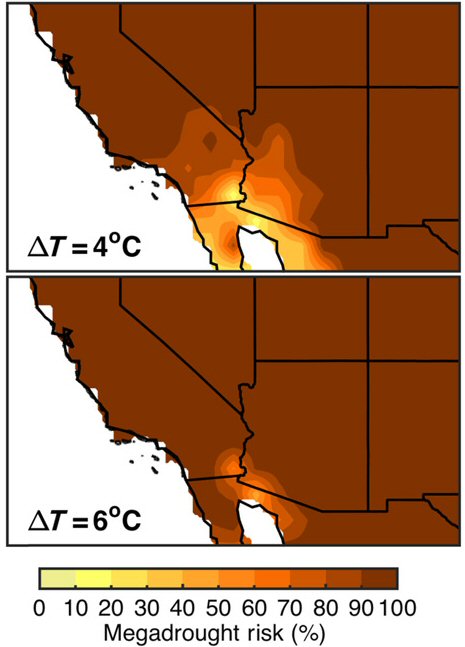
The mass production of hydrogen by electrolysis of seawater powered by solar energy and gravity would effectively end the era of fossil fuels and electric utilities –obsolete monopolies. That would simultaneously stop the emissions of carbon dioxide flowing into the atmosphere and conquer drought, even in the driest desert. More importantly, the raw materials –the ocean, the sun, and gravity- cannot be hoarded. They’re virtually unlimited, free, and except for landlocked countries, universally available. As a result, it is possible to redistribute the profits to homeowners in an egalitarian manner. After all, it is they who would generate the solar energy to power the enterprise. In sum, it’s up to the voters; in a true democracy they have the ultimate say.